
Bears With Benefits · March 2025 to now
I set the rules. My Codex agents handle the repetition.
- Role
- Performance Marketing Manager
- Hands-on work
- Performance, campaign visuals, CRM, and packaging
- Creative systems
- Scalable localisation, production workflows, and final visual QA
Start with stakeholder approval
One market is approved first.
That becomes the source for production.
Stakeholder approved · DE · Meta
I set the rules
My Codex agents follow them.
- 01Duplicate the approved source
- 02Apply DE · CH · IT · ES · NL copy
- 03Build Meta · PMAX · landing page · CRM · Influencer · Performance
- 04Lock product · offer · hierarchy
Codex orchestration
The repeatable steps flow through one system.
One source
Five markets.
Six workstreams.
One clear production system.
Repeatable checks complete
Then I check every output.
Final visual QA happens before handoff.
Production complete
Ready for channel handoff.
Faster production, with the final check still intact.
Every approved design had to be adapted across more languages and formats. Manually copying, pasting, and retyping text into each banner or ad left too much room for error.
I first built a Figma plugin around a structured CSV input. It checked localised copy and placed the approved text into the correct formats, removing much of the repetitive production work.
But copy did not always arrive in one format. Stakeholders shared it through spreadsheets, Slack canvases, and Figma comments. Asking everyone to follow one strict structure was no longer practical.
I began using Codex and created several agents, each responsible for a different part of the process. They collect and organise the inputs, prepare production tasks, and support quality checks across languages and formats.
The system handles the repetitive steps. I remain responsible for the source design, creative decisions, and final review.
01
Find more than one way into the product
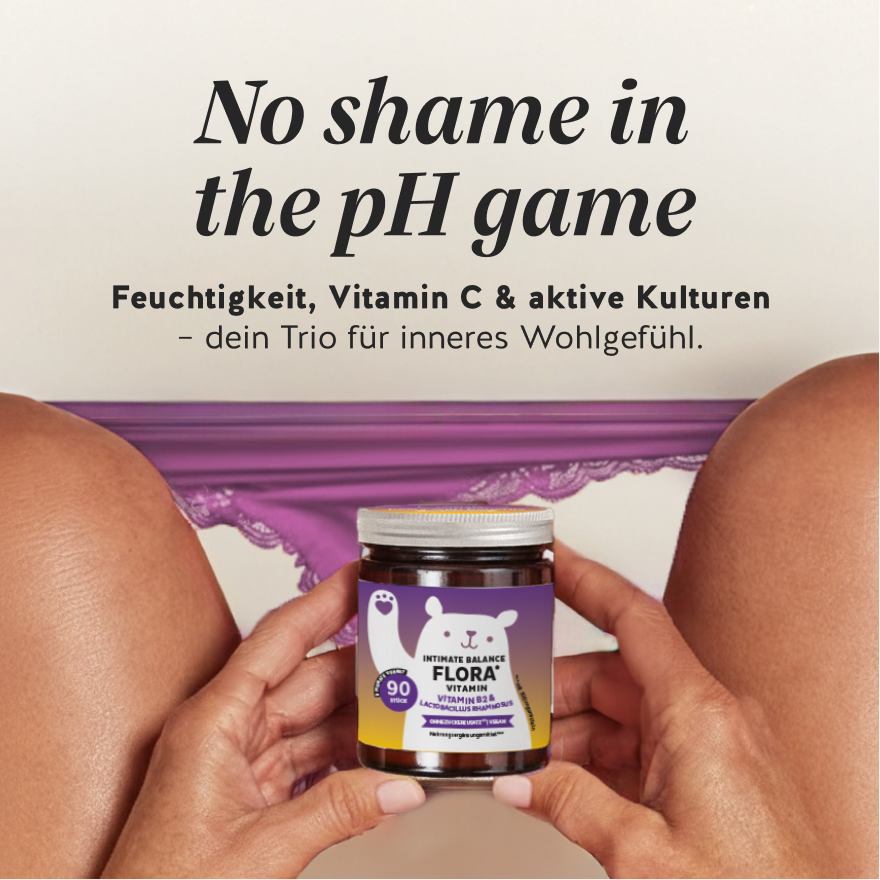
My first focus was performance creative. The same jar could not be the idea every time, so I worked with Performance Marketing to build new hooks around benefits, audience tensions, seasonal moments, and offers.
Each ad still needed a simple reading order: one thought, one reason to care, and one next step. That gave us genuinely different directions to test, not simply new styling on the same layout.
The most debated direction was “No shame in the pH game.” I pushed the idea through a long internal review. Once it was approved and launched, it performed especially well.



02
Hot Summer left the feed.
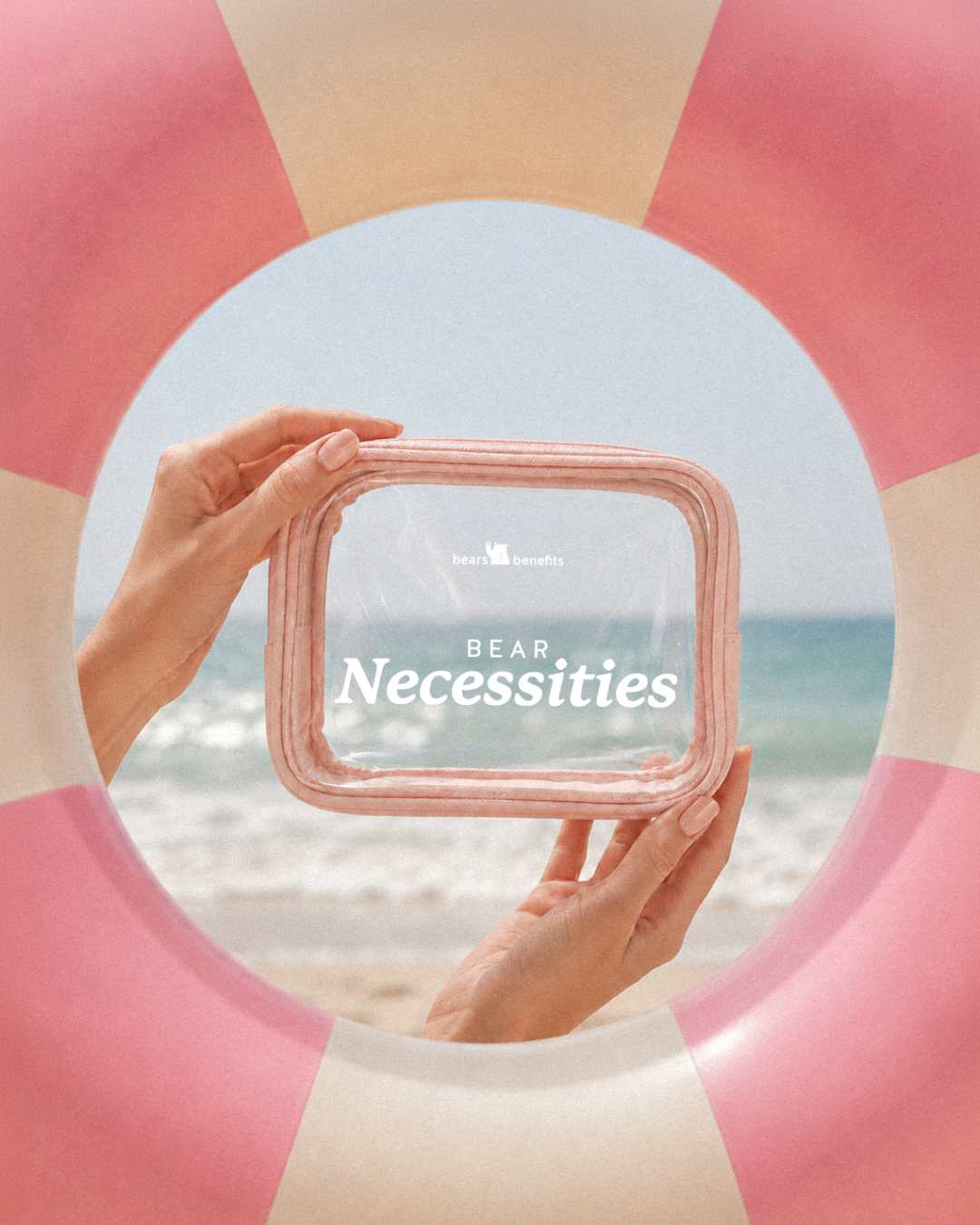
For Hot Summer, I developed a visual direction built around clear blue skies, warm skin, pink beach props, and product-led close-ups.
The visual system then had to work across the homepage, paid formats, CRM, motion, and campaign photography. Each channel needed a different composition, but the colour, atmosphere, and product focus kept the campaign connected.




CRM
The campaign continued in the inbox.
I carried the Hot Summer visual direction into email, adapting the hierarchy, pacing, and message for CRM while keeping the campaign recognisable across channels.


03
Put the supplement's function first
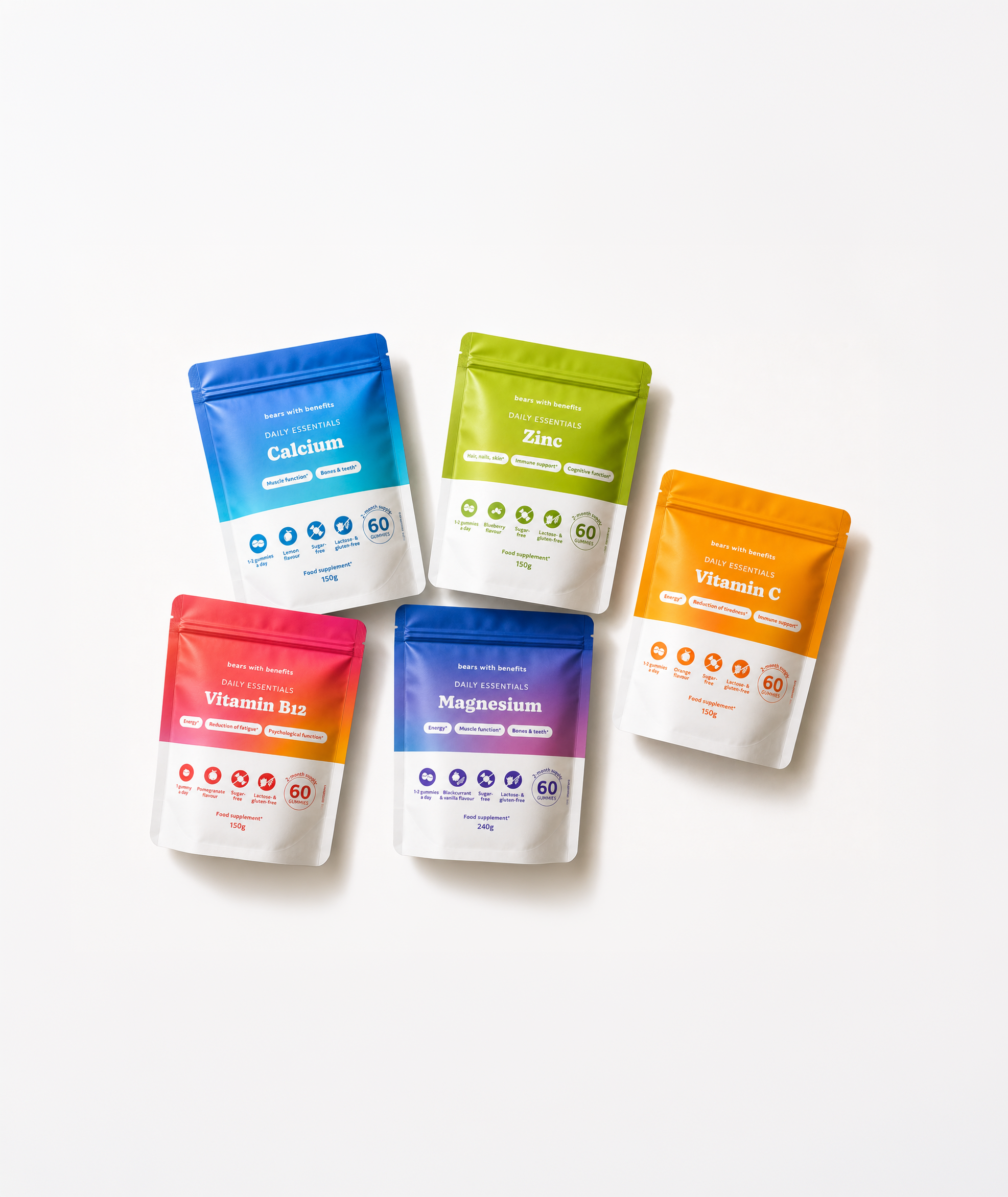
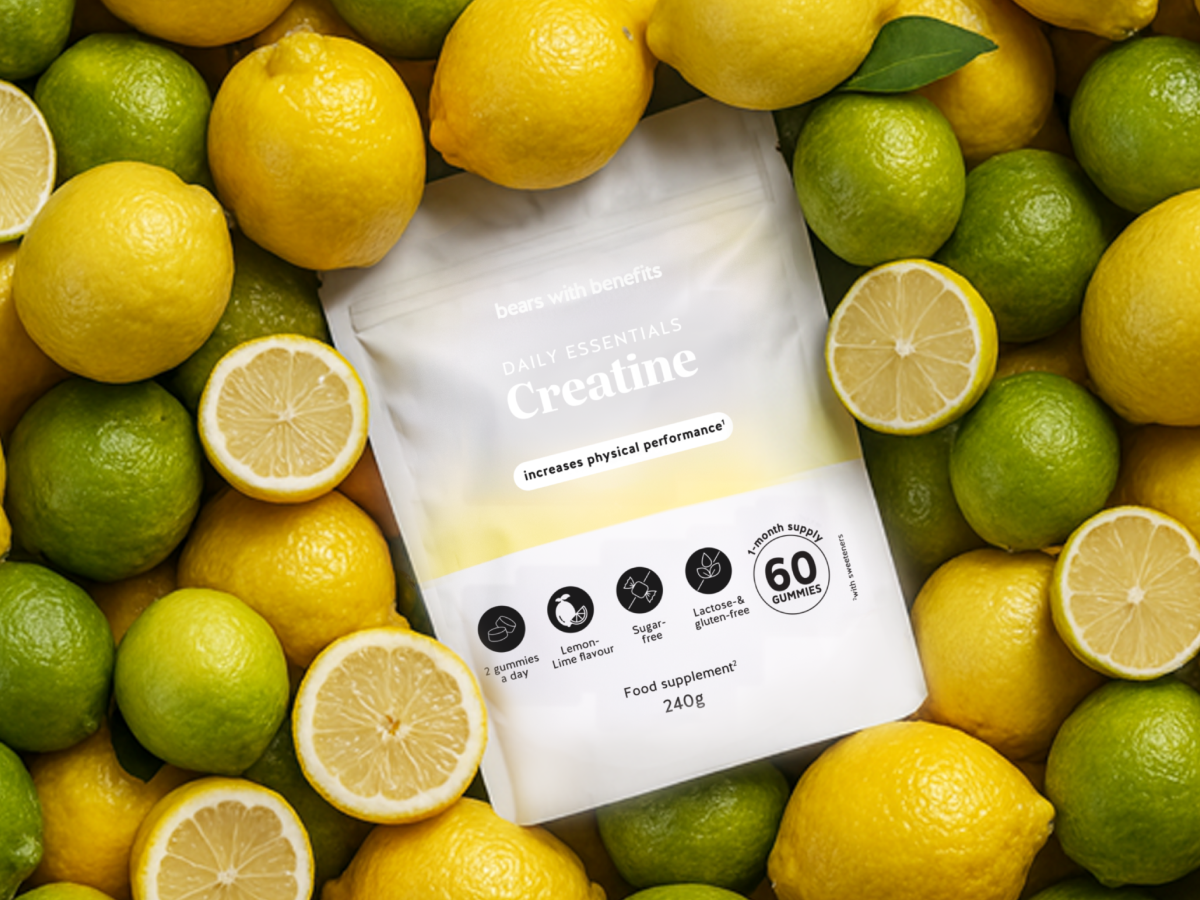
Daily Essentials brought the broader work into packaging. The range was moving from jars to pouches, and the design needed to make one thing clearer: what each supplement was for.
The older jars led with the mascot. On the pouches, I shifted the hierarchy towards the product name and key functions. Dosage, format, flavour, quantity, and dietary information then followed in a consistent order. Each pouch had to communicate its purpose quickly while still belonging to one range.

Daily Essentials
The range in use
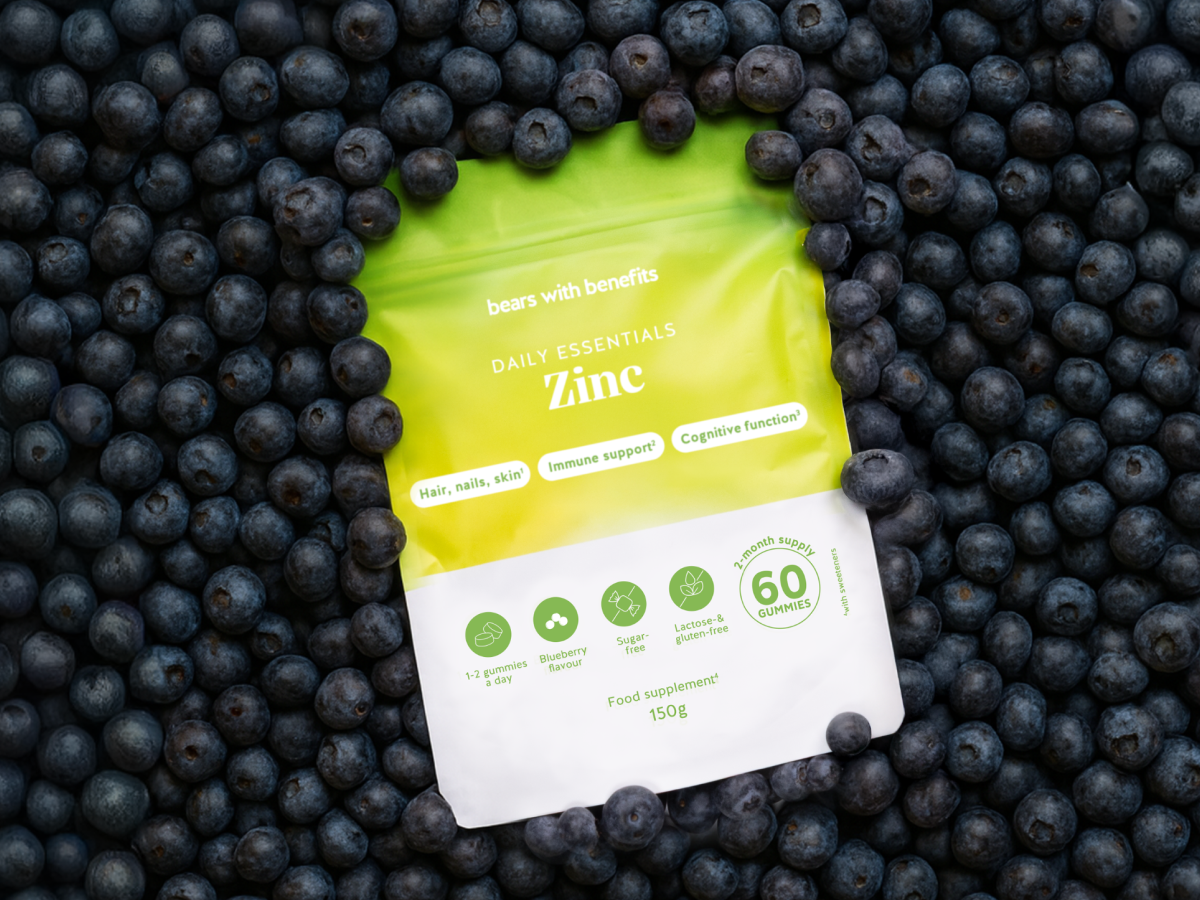
The function stays clear on pack. Fruit and ingredient imagery gives each supplement a distinct world beyond the lineup.




04
Make the method useful for the team
Once the repetitive process was clearer, I applied the same thinking to collaboration. I built reusable Figma components and clearer handoffs, started a biweekly creative review, and mentored a junior designer through CRM, brand consistency, and day-to-day production.
Build the system
Build the master once.
Image swap, text property, and CTA variant become controlled options.
Configure, then publish
Define it before sharing.
Set auto layout, properties, variants, naming, and documentation first.
Reuse with intent
Adapt the format, not the method.
CRM, Meta, and landing-page instances keep the same structure.
Publish an update
Change once. Share the update.
Library users review and accept it in their files.
The goal is not to automate judgment. It is to remove avoidable repetition so the team can spend more time on the decisions that shape the work.